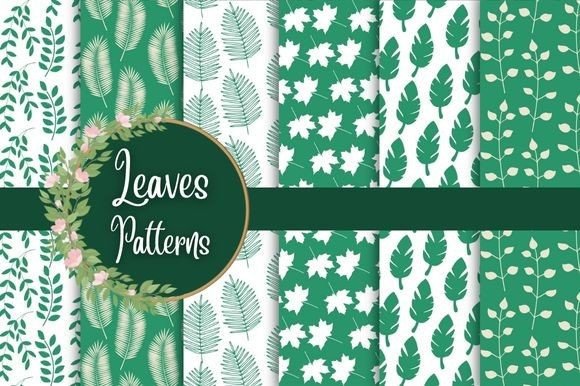
Pink Leaves Patterns Digital Papers
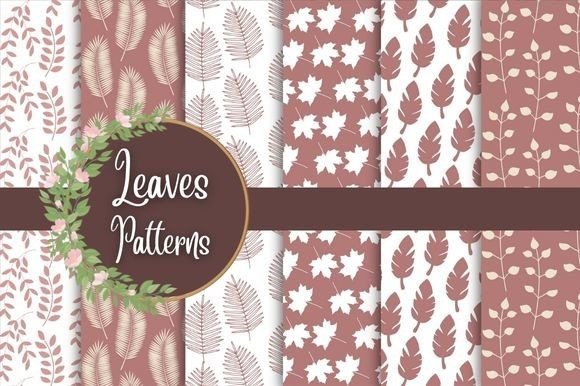
Digital papers are high-resolution, printable design assets commonly used in crafting, scrapbooking, digital planning, and interior design visualization. Pink Leaves Patterns Digital Papers is a curated collection featuring six distinct botanical-inspired patterns, each built around soft, versatile pink tones and stylized leaf motifs. The set includes three file formats—PDF, PNG, and JPEG—each delivered at 12″ × 12″ (30.5 cm × 30.5 cm), a standard size for digital scrapbooking and print-on-demand projects.
The PDF version contains six individual pattern tiles on separate pages, optimized for crisp printing without scaling distortion. The PNG files provide the same six patterns with transparent backgrounds—ideal for layering over photos, text, or other design elements in editing software. The JPEG files offer the same six patterns on opaque white backgrounds, suitable for quick insertion into presentations, mood boards, or social media graphics where transparency isn’t required.
People often seek digital papers like Pink Leaves Patterns Digital Papers when they need cohesive, ready-to-use surface textures that convey warmth, nature, and gentle femininity. Pink leaf motifs sit comfortably between modern minimalism and organic charm, making them adaptable across contexts—from wedding stationery and planner stickers to wall art mockups and fabric design previews. Because the patterns are non-photographic and repeat seamlessly, they scale well across both small and large surfaces without visible tiling artifacts.
A key benefit of this collection is its format versatility. Users who work across multiple platforms—such as Canva, Adobe Photoshop, Procreate, or Cricut Design Space—can select the appropriate file type based on their workflow. Designers needing precise color control and vector-friendly output may prefer the PDF for print; those building layered digital layouts often rely on PNGs for flexibility; and users sharing visuals quickly online may default to JPEGs for broad compatibility and smaller file sizes.
However, there are tradeoffs to consider. While the 12″ × 12″ resolution supports standard home printing and digital use, it may not meet professional large-format printing requirements—such as wall murals or signage—without upscaling, which could reduce sharpness. Additionally, because these are raster-based files (not vector), resizing beyond 100% may introduce pixelation, especially in fine leaf details. Users requiring scalable, editable elements—like changing individual leaf colors or adjusting layout spacing—would need vector alternatives or design software with pattern-making tools.
Color consistency is another practical consideration. The pink tones in Pink Leaves Patterns Digital Papers are calibrated for sRGB display, but actual appearance varies depending on monitor calibration and printer profiles. If matching specific brand palettes or Pantone references is essential, users should verify swatches against physical samples before committing to bulk printing.
This collection is a strong fit for several scenarios. It suits crafters preparing themed scrapbook kits, especially for baby showers, spring weddings, or wellness-related journals where soft botanical aesthetics align with content tone. Educators designing printable classroom resources—like reading logs or behavior charts—may find the patterns visually engaging yet non-distracting. Interior designers building client mood boards can use the JPEG or PNG versions to overlay subtle texture onto furniture renders or room layouts, adding depth without overwhelming composition.
It also works well for independent creators producing digital products: planners, habit trackers, or printable calendars benefit from coordinated, non-repetitive background variety—something the six unique patterns support without requiring custom design time. For those working under tight deadlines or with limited graphic design experience, having pre-made, balanced patterns reduces decision fatigue and ensures visual harmony across deliverables.
That said, alternatives may be preferable in certain cases. Users needing highly customizable or editable patterns—such as adjusting leaf density, rotating motifs, or integrating custom typography directly into the tile—may find static raster files limiting. In those instances, parametric design tools or SVG-based pattern generators offer more control. Similarly, if a project demands strict accessibility compliance—such as sufficient contrast for text overlays—the light pink-on-light backgrounds in some patterns may require testing with contrast checkers before adding legible typography.
Another consideration is licensing scope. The description does not specify usage rights, so potential buyers should confirm whether the license permits commercial redistribution (e.g., in a printable bundle sold on Etsy) or restricts use to personal projects only. This detail significantly affects suitability for entrepreneurs versus hobbyists.
When evaluating whether Pink Leaves Patterns Digital Papers meets your needs, start by clarifying your primary use case. Ask: Will these be printed, displayed digitally, or edited further? Do you need transparency for layering, or is a clean white background sufficient? Are you prioritizing speed and consistency—or flexibility and customization? Matching answers to the collection’s strengths helps avoid mismatched expectations.
Also consider how many variations you realistically need. Six patterns offer enough diversity for most short-term projects—a single planner, one seasonal scrapbook, or a small batch of greeting cards—but may feel limited for long-running brands or multi-product lines. In such cases, expanding into complementary sets—like neutral foliage or monochrome leaf patterns—could extend visual range while maintaining stylistic continuity.
Finally, assess technical readiness. If you’re unfamiliar with handling PNG transparency or embedding PDFs into layout software, allocate time to test one file before scaling usage. Most design platforms handle 12″ × 12″ raster files predictably, but previewing at 100% zoom and checking export settings prevents surprises during final output.
In summary, Pink Leaves Patterns Digital Papers provides a focused, aesthetically coherent resource for users seeking accessible, nature-inflected design elements in widely compatible formats. Its value lies in balance: enough visual distinction across the six patterns to support variety, yet enough tonal and stylistic unity to maintain cohesion. It serves best as a practical tool—not a standalone design solution—supporting workflows where efficiency, consistency, and gentle botanical character matter more than maximal customization or scalability.
For those exploring similar resources, reviewing file specifications, intended use cases, and licensing terms across options remains essential. Comparing resolution, background treatment, and format coverage helps identify which collections align with current tools, output goals, and project scope—ensuring time and budget are directed toward assets that integrate smoothly and deliver measurable utility.