Christmas Holiday PNG Patterns: Practical Tips for Getting Real Value from Your Digital Paper Collection
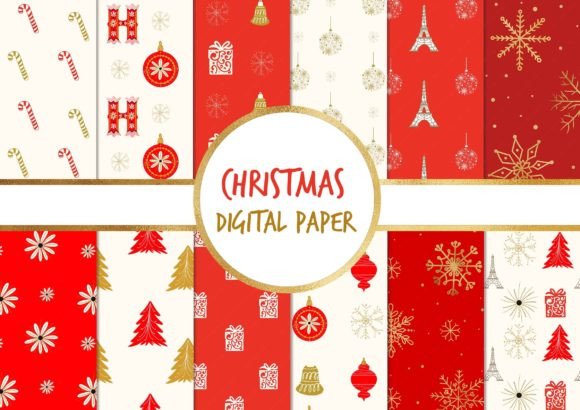
If you've searched for festive design resources lately, you’ve likely seen Christmas Holiday PNG Patterns — especially bundles like the popular set of 8 designs, each 16x16 inches at 300 DPI, delivered as high-resolution PNG files. These aren’t just “pretty pictures.” They’re versatile digital paper assets built for real-world use: textile printing, party decor, greeting cards, scrapbooking, apparel mockups, cupcake toppers, embroidery templates, and even classroom holiday projects. But here’s what many buyers overlook — not all Christmas-themed digital papers deliver equal value, and using them without understanding their technical and creative limits can waste time, money, and momentum.
What “Christmas Holiday PNG Patterns” Actually Means (and Why It Matters)
“PNG” isn’t just a file extension — it signals transparency, lossless quality, and layer-friendly flexibility. Unlike JPEGs, PNGs preserve clean edges and transparent backgrounds, which is essential when overlaying patterns onto fabric mockups, cutting vinyl for banners, or placing seamless repeats on printable gift wrap. The “16x16 inches at 300 DPI” specification tells you these are print-ready — not web-only graphics. That resolution ensures crisp output whether you’re printing on fabric yardage, large-format banners, or fine-detail scrapbook elements.
But here’s where confusion starts: some shoppers assume “digital paper” means “plug-and-play,” regardless of software or output method. In reality, seamless tiling, color accuracy, and pattern scale depend on how you apply them — and that depends on knowing what’s *in* the file, not just what’s *on* the thumbnail.
Mistake #1: Assuming All “Seamless” Patterns Tile Perfectly in Every Context
A pattern labeled “seamless” may repeat cleanly in Photoshop or Illustrator — but not automatically in Canva, Cricut Design Space, or Procreate without manual adjustment. Some Christmas Holiday PNG Patterns include subtle alignment cues (like faint grid lines or crop marks) to help with tiling; others don’t. If you’re designing fabric for Spoonflower or creating custom wrapping paper in Adobe Express, test a small repeat first — zoom in, check for visible seams or color shifts along tile edges, and adjust spacing if needed. Better yet: choose sets that include both full-pattern PNGs *and* documented tile instructions or .PAT files for advanced users.
Mistake #2: Overlooking Color Mode and Print Consistency
Most Christmas Holiday PNG Patterns are supplied in RGB — ideal for screens and digital scrapbooking — but if you plan to print professionally (especially for textiles or stationery), RGB-to-CMYK conversion can mute rich reds, deepen greens unexpectedly, or dull metallic accents. Before sending to a printer, verify whether your vendor provides CMYK alternatives or includes a color guide (Pantone references or sRGB/Adobe RGB profiles). If not, soft-proof in Photoshop or request a physical proof — especially for branded merchandise or client-facing materials.
Mistake #3: Using High-Resolution Files Without Checking Software Compatibility
That 16x16 inch, 300 DPI PNG is over 175 MB uncompressed. While modern desktop apps handle it fine, mobile design tools or older versions of free editors may crash, downsample silently, or fail to render transparency correctly. If you're a teacher prepping holiday handouts on a school laptop, or a freelancer using Canva’s free tier, try opening one file first — resize it to 8x8 inches for draft work, or convert to a compressed but still print-safe WebP version for internal layout only. Save the full-res version strictly for final export.
Mistake #4: Ignoring Licensing Scope — Especially for Commercial Use
This is critical for entrepreneurs and creators. Not all Christmas Holiday PNG Patterns come with extended licenses. A personal-use license lets you make ornaments for your family tree or print cards for friends. But selling those same designs on Etsy-printed mugs, bundling them into a paid Canva template, or using them as background textures in a client’s Shopify banner? That usually requires an extended or commercial license — and some vendors charge extra or restrict resale outright. Always read the license *before* checkout. Look for clear language on: number of end products, attribution requirements, and whether sub-licensing (e.g., giving the file to a print-on-demand partner) is permitted.
What to Check Before You Download or Buy
- File structure: Are patterns delivered individually (ideal for selective use) or bundled in layered PSDs (better for customization)?
- Transparency verification: Open one PNG in any image viewer — does the background appear truly transparent (checkerboard), or is it white or off-white?
- Pattern scale realism: At 16x16 inches, will the motif overwhelm a 4x6 card or look sparse on a 60-inch table runner? Preview at actual size using your design software’s “actual pixels” view.
- Vendor reputation: Do they offer prompt support for corrupted downloads? Do they update files based on user feedback (e.g., adding alternate colorways or SVG versions)?
Better Approaches for Real Projects
Instead of treating Christmas Holiday PNG Patterns as static decorations, think of them as flexible design systems. For example:
- A small business owner launching holiday aprons can use one pattern as the main fabric print, then extract a single motif (using selection tools) to create matching embroidered logos or woven labels.
- A blogger preparing a “DIY Christmas Banner” tutorial can layer two complementary patterns — one as background texture, another as cut-out letter fill — to add depth without visual clutter.
- An educator making printable math worksheets can reduce opacity to 15% and use a subtle snowflake pattern as a non-distracting background — reinforcing theme without compromising readability.
And if you’re comparing bundles: prioritize clarity over quantity. Eight thoughtfully scaled, well-documented Christmas Holiday PNG Patterns beat twenty low-DPI, poorly named files any day — especially when deadlines loom and consistency matters.
Final Thought: Match the Tool to the Task
Digital paper isn’t magic — it’s a tool. Its usefulness grows when you understand its constraints and strengths. Whether you’re printing fabric napkins, designing social media carousels, or helping students craft handmade cards, take five minutes to open, inspect, and test one file before scaling up. That small step prevents mismatched colors, blurry prints, licensing surprises, and last-minute redesigns. With thoughtful use, Christmas Holiday PNG Patterns become reliable, adaptable, and quietly powerful — exactly what makes holiday creativity sustainable, not stressful.